Professional basement waterproofing is critical in regions subjected to regular rainfall. Not only does effective waterproofing protect your belongings, but it also protects your home’s foundation.
Whether you’re considering basement waterproofing or already maintaining a waterproofing system, it’s important to know how long your system will last. Equally critical is knowing how to assess when an element of your system is nearing the end of its lifespan.
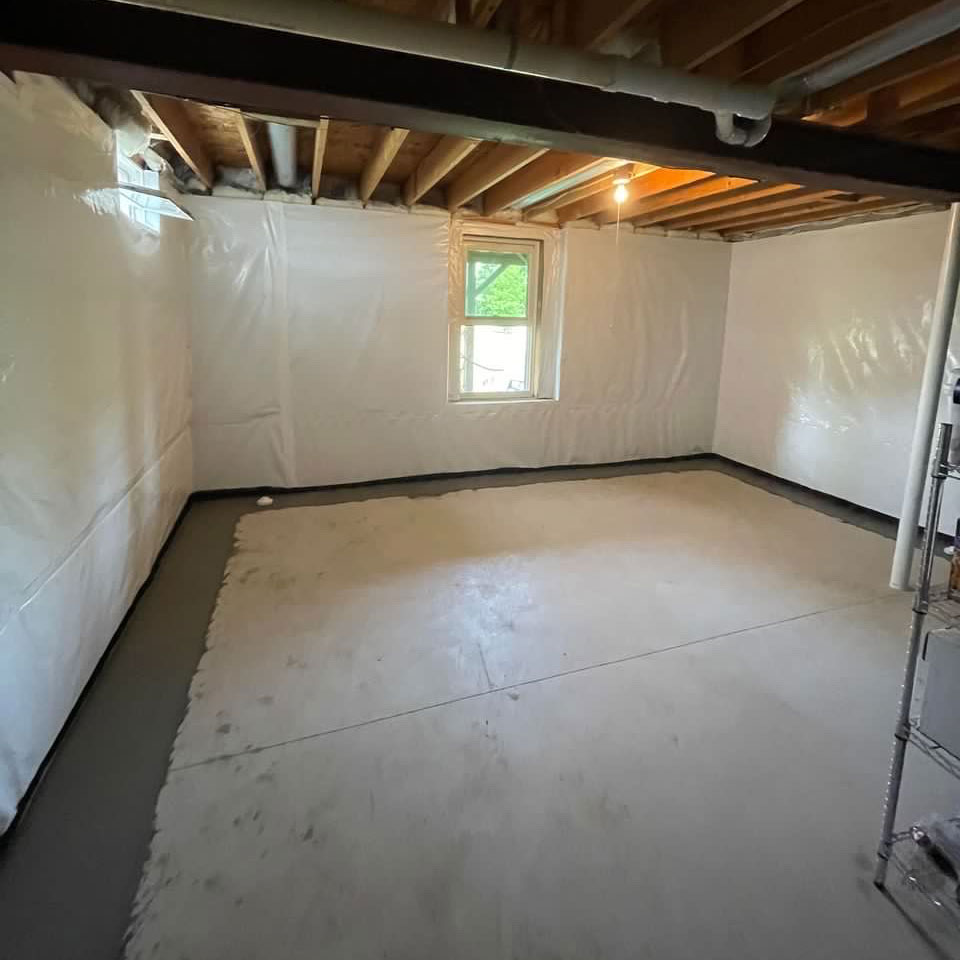
Waterproofing System Components
Basement waterproofing is most effective when completed by a trained basement waterproofing contractor. They have the expertise to build a comprehensive system tailored to your home and access to professional-grade materials.
Depending on your situation, a waterproofing system may include:
- Interior sealant
- Drainage system
- Sump pump
- Dehumidifier
Some systems also include exterior sealants, but applying those coatings involves excavating to expose your home’s exterior foundation walls. Typically, a system that addresses interior waterproofing and drainage is sufficient for effective, long-term water control.
Expected Lifespan of Waterproofing Systems
When considering the lifespan of your basement waterproofing system, it’s important to recognize that different components will last for varying periods. You may need to repair or replace one element before others, but that doesn’t mean your system has failed—it’s just the nature of the materials.
Interior Sealants
Interior sealants are the workhorse of basement waterproofing. These coatings provide your basement with daily protection against water intrusion, and typically last 5–8 years.
The efficacy and lifespan of sealants depend on the type and quality of the material and the application method, which is why working with a professional basement waterproofer is so important. Applying sealants yourself or hiring an inexperienced contractor may seem like a way to save money in the present, but can lead to more costly damage and repairs in the long run.
Professional-grade sealants applied by seasoned contractors will still need periodic reapplication, but they typically hold up for years. Your contractor can also provide a lifespan estimate based on the specific sealant they use and their on-the-job experience working under local conditions.
Drainage Systems and Sump Pumps
Most basement drainage systems work by creating channels along foundation walls that direct water to a sump pump for removal. Channeling excess water in this way helps stop leaks around the foundation and seepage across the basement floor.
Drain channels should last up to 25 years when installed correctly. Sump pumps, on the other hand, have a shorter lifespan: 7–10 years.
Because sump pumps are mechanical components exposed to water and changing environmental conditions, they experience daily wear and tear. Over time, parts of the pump can wear out or become blocked by buildup or debris.
You can extend the life of your sump pump by checking it regularly, removing any debris, and ensuring that the float (which signals the pump to start working when the water reaches a certain level) can move freely. You should test your pump periodically to ensure it’s working properly, so you can address any issues as soon as possible.
Most sump pumps run on your home’s electricity, but should ideally have a battery backup in case of a power outage. You may need to replace a battery backup system more frequently—every 3–5 years.
Dehumidifiers
Installing a basement dehumidifier is the icing on the cake for basement waterproofing. A dehumidifier draws in humid air, cools it to condense the moisture into water, and collects that water in a pan or channels it away via a drainage hose. It then recirculates the “dry” air back into the space.
Using a dehumidifier helps remove water that reaches your basement as water vapor rather than a liquid. Dehumidifying the air helps prevent mold and mildew growth and limit other small-scale (but long-term) water damage.
You can expect a freestanding dehumidifier to last around 3–10 years. The exact lifespan will depend on the quality of the materials and construction, and the frequency of use.
You can also install a whole-home dehumidifier system. An integrated dehumidifier can be a good option if you live in a consistently humid environment. Whole-home systems are typically built to be a sturdy, long-lasting addition to your home, lasting an average of 7–10 years.
When Waterproofing Needs Replacement, Repair, or Reapplication
There are some clear signs that your basement waterproofing system isn’t working optimally:
- Seeping or pooling water
- Visible mold or mildew
- A musty or moldy odor
There can also be other signs that your system needs attention. In the case of sealants, look out for:
- Peeling or bubbling paint/sealant
- Water stains or dark spots on sealed walls
- Visible rust or discoloration on items stored against basement walls
When it comes to drainage systems and sump pumps, keep an eye (and ear) on:
- Leaks or water seepage along the perimeter of the basement
- Constant pump cycling
- Buzzing or grinding sounds from the pump
Regarding dehumidifiers, signs of trouble include:
- Unusual sounds or smells
- Lack of water collection
- Leaks from the appliance
- Increased interior humidity
If you notice any of these issues, it’s best to call your basement waterproofing contractor to assess the situation and advise on next steps. They’ll be able to tell whether an element needs to be completely replaced or if maintenance or reapplication is sufficient.
When you need basement waterproofing assistance in Rochester or the surrounding Finger Lakes area, call BelowDry Basement Waterproofing today. We have over 15 years of experience helping local homeowners solve even the trickiest basement issues. Our team provides comprehensive waterproofing solutions to keep your basement dry and your home healthy year-round. You can count on us for outstanding customer care and top-notch waterproofing services tailored to your needs. BelowDry Basement Waterproofing—solving your wet basement problem for good!